
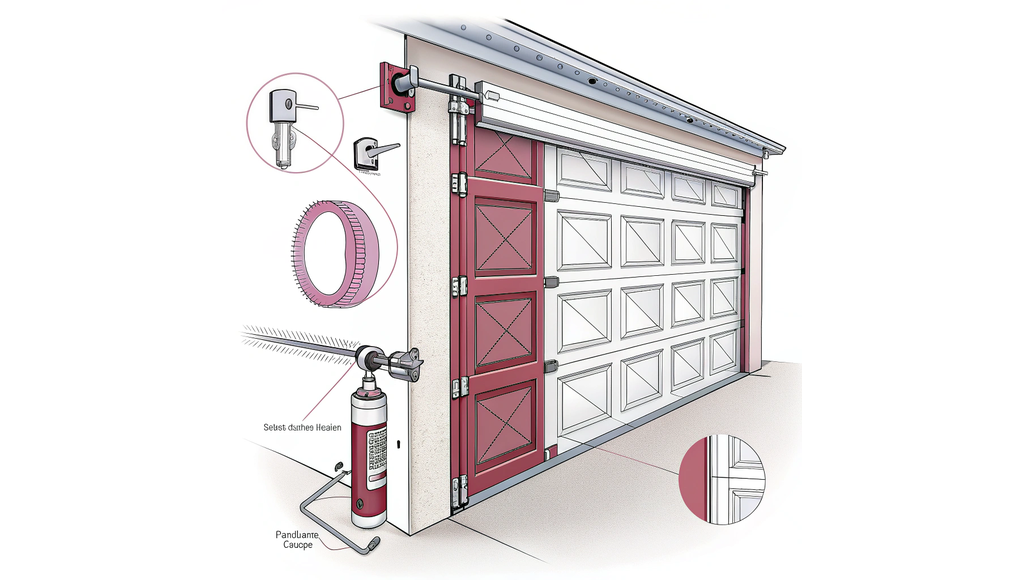
That grinding, squeaking noise every time you open your garage door isn't just annoying. It's your door telling you that metal is rubbing against metal somewhere, wearing down components that will eventually need expensive replacement. The good news is that you can fix most noise issues and prevent serious wear in about 15 minutes using a $12 can of lubricant.
Proper lubrication every 3-6 months extends your door's lifespan, reduces repair costs, and keeps operation smooth and quiet. This isn't complicated work. You don't need special tools or mechanical experience. You just need the right product and a clear understanding of which parts get attention and which parts you should never touch with lubricant.
Did You Know? Regular DIY lubrication prevents 40-60% of common garage door repairs, potentially saving you $200-500 in roller replacements and other wear-related fixes.
This guide walks you through choosing the correct lubricant, identifying the parts that need it, and applying it properly. For a complete picture of garage door care, check out our maintenance and safety guide, which covers the full range of tasks that keep your door running reliably for years.
Choosing the Right Lubricant
Walk into any hardware store and you'll see dozens of spray lubricants. Most of them are wrong for garage doors. The two products that actually work are silicone-based spray and white lithium grease. Both handle temperature extremes from -20°F to 200°F, resist moisture, and won't attract dust the way petroleum-based products do.
Silicone spray is your best all-around choice. It comes in aerosol cans with a thin straw nozzle that lets you target specific pivot points and bearings. It penetrates quickly, doesn't drip excessively, and works on every moving part of your garage door system. A 10-14 ounce can costs $8-15 and will last you 2-5 years of regular maintenance.
White lithium grease works especially well on opener chains where you want a product that stays in place longer. It's thicker than silicone spray and provides more lasting protection in high-friction areas. Some people use lithium grease on all components, but the thicker consistency makes precise application harder on small parts like hinge pins.
Important: Never use WD-40 on garage door parts. WD-40 is a degreaser and solvent, not a lubricant. It strips away existing protection and attracts 2-3 times more dirt than proper lubricants, accelerating wear instead of preventing it.
Whatever product you choose, make sure it includes a straw nozzle for precise application. You'll be targeting small pivot points and bearings where overspray wastes product and creates mess. The few extra dollars for a quality garage door lubricant pays back immediately in how much easier the application process becomes.
Parts That Need Lubrication
Not every part of your garage door gets lubricated. In fact, applying lubricant to the wrong components creates serious problems. Here's exactly what needs attention and what you should leave alone.
| Part | What to Lubricate | What to Avoid |
|---|---|---|
| Hinges | Pivot pins where panels connect | Exterior surfaces |
| Rollers | Metal bearings inside roller wheel | Nylon wheels, tracks themselves |
| Springs | Light coating along spring length | Over-application that drips |
| Bearings/Pulleys | Moving parts at spring ends | Stationary mounting brackets |
| Opener Chain | Along entire chain length | Belt drives (no lube needed) |
| Lock/Arm Bar | Keyhole and joints | — |
The single most important thing to remember is this: never lubricate the tracks. Your door's rollers need to grip the tracks properly to stay aligned. Greasy tracks cause the door to slip, bind, or come off track entirely. If your tracks have debris in them, clean them with a dry cloth or vacuum. That's it.
For metal rollers, apply lubricant directly to the bearings where the wheel connects to the stem. You'll see a small gap where the wheel rotates. That's your target. If you have nylon rollers, lubricate only the bearing stem, not the nylon wheel itself. The wheel doesn't need it and lubricant just attracts dirt to the surface.
Springs need just a light coating. Hold the spray can about six inches away and apply a thin film as you move along the spring's length. Let it soak in for a minute, then wipe any drips. This prevents rust and reduces the friction noise that occurs when springs expand and contract thousands of times per year. As the weather gets colder, proper spring lubrication becomes even more critical. Our winter maintenance guide covers seasonal adjustments that complement your regular lubrication routine.
Step-by-Step Application Process
Start by disconnecting power to your garage door opener. Unplug it or flip the circuit breaker. This prevents the door from operating while you're working on it, which could catch you off guard and cause injury. If your door has a manual lock, engage it for extra security.
Safety Note: Disconnect your opener before starting any maintenance work. An unexpected door movement while you're near moving parts can cause serious injury.
Before you apply any fresh lubricant, clean the parts you'll be treating. Old grease mixed with dirt and debris reduces the effectiveness of new lubricant by about 50%. Use a dry cloth to wipe down hinges, rollers, and springs. For heavily soiled parts, a quick spray of brake cleaner followed by wiping works well. You want clean metal before you add new protection.
Now apply your lubricant systematically, working from top to bottom:
Spray each hinge at the pivot point where the pin connects the panels. One quick spray per hinge is enough. You should see the lubricant penetrate into the gap.
Target the roller bearings on both sides of the door. Use the straw nozzle to get lubricant into the bearing without coating the entire wheel. Eight to twelve rollers depending on your door size.
Apply a light, even coat along your springs. Torsion springs above the door or extension springs on the sides both need this attention. Avoid heavy application that drips onto other components.
Hit the bearings at the end plates where your springs mount. These take significant load and benefit from regular lubrication.
If you have a chain drive opener, apply lubricant along the top and bottom of the chain. Screw drive openers get a light coat along the rail.
After application, manually lift and lower your door 5-10 times to work the lubricant into all the moving parts. You'll hear the difference immediately as squeaks disappear and operation smooths out. Wipe away any excess lubricant that appears during this cycling process. Excess product just attracts dirt.
Reconnect your opener and test the door with the remote and wall button. Operation should be noticeably quieter and smoother. The entire process takes 15-30 minutes for a standard single-car door, slightly longer for a double door. Setting a reminder to repeat this every six months keeps your door in top condition. Our annual maintenance checklist helps you track this task alongside other important seasonal upkeep.
When Professional Help Makes Sense
You can handle lubrication yourself and save $75-150 that professionals charge for this service. A can of quality lubricant costs $8-20 and lasts multiple applications, bringing your annual DIY maintenance cost to $10-25 compared to $150-300 for two professional visits per year.
But sometimes lubrication reveals bigger problems that need expert attention. If you properly lubricate all moving parts and your door still grinds, shakes excessively, or operates unevenly, something else is wrong. Worn rollers, bent tracks, or failing springs won't improve with better lubrication. You need diagnosis and repair.
Professional service includes more than just lubrication. When you pay for annual maintenance, technicians measure spring tension, check cable condition for fraying, examine track alignment, test opener force settings, and adjust the door balance. They catch early warning signs that you might miss until they become emergency repairs.
Call a professional before attempting lubrication if your door won't stay open when you lift it halfway. This indicates weak or broken springs, which operate under 200+ pounds of tension. Trying to lubricate a door with failing springs is dangerous. The springs need replacement first. Our spring replacement guide explains why this work requires professional tools and expertise.
If you notice frayed cables, hear loud banging noises, or see the door shaking violently during operation, stop using it and get professional service. These are safety issues that lubrication won't fix. When you're ready to hire help, our guide on choosing a reliable garage door company walks you through vetting contractors and avoiding common scams.
The smart approach combines DIY maintenance with professional oversight. You handle quarterly lubrication and monthly visual inspections. A trained technician does a complete system check once a year. This combination maximizes your door's lifespan while keeping costs reasonable.
Fifteen minutes of lubrication twice a year isn't a big time investment, but it delivers outsized results in noise reduction, smooth operation, and repair prevention. Set aside time this weekend to lubricate your garage door, then add a calendar reminder for six months from now. Your door operates 1,000+ times per year. Treating the moving parts right keeps that operation reliable and quiet for the long term. If noise persists after proper lubrication or you notice other concerning symptoms, that's your signal to bring in professional help before minor issues become expensive failures.
FAQs
What type of lubricant should I use on my garage door?
Use silicone-based spray or white lithium grease. Silicone spray works best for most parts like hinges, rollers, and springs because it penetrates quickly and won't drip excessively. White lithium grease is ideal for opener chains where you need longer-lasting protection. Never use WD-40, as it's a degreaser that strips protection and attracts 2-3 times more dirt than proper lubricants.
Which garage door parts need lubrication and which don't?
Lubricate hinges, roller bearings, springs, pulleys, opener chains, and lock mechanisms. Apply lubricant only to pivot points and moving metal parts. Never lubricate the tracks themselves, as this causes the door to slip and come off track. If you have nylon rollers, only lubricate the metal bearing stem, not the nylon wheel.
How often should I lubricate my garage door?
Lubricate your garage door every 3-6 months for optimal performance. Most homeowners find that twice a year works well, such as spring and fall. This simple 15-minute maintenance task prevents 40-60% of common garage door repairs and keeps operation smooth and quiet. Set a calendar reminder so you don't forget.
Can I lubricate my garage door myself or do I need a professional?
You can easily lubricate your garage door yourself in 15-30 minutes using a $10-20 can of lubricant. This saves you $75-150 per professional visit. However, call a professional if your door won't stay open halfway, has frayed cables, makes loud banging noises, or remains noisy after proper lubrication. These issues indicate bigger problems.