
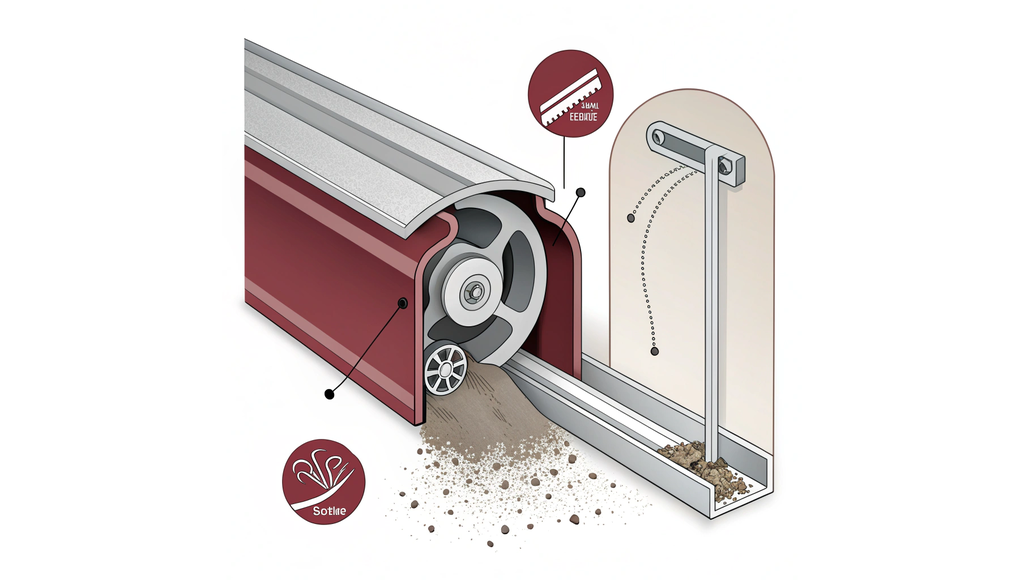
Your garage door opens and closes three to five times every day, and those metal tracks guide every single movement. Most homeowners never think about tracks until something goes wrong. The door starts making grinding noises, moves in jerky stops, or worse, comes completely off the rails.
Here's what you need to know. Those tracks handle the full weight of your 150 to 500 pound door dozens of times each week. Dirt, debris, and lack of lubrication cause most track problems, but the good news is that regular cleaning prevents the majority of expensive repairs. You can handle basic track maintenance yourself with about 30 minutes and less than $50 in supplies.
Did You Know? Research shows that 85% of garage door track problems stem from debris buildup or loose hardware that you can catch with simple quarterly inspections.
This guide walks you through proper track cleaning, shows you what maintenance schedule actually works, and helps you understand when a problem needs professional attention. We'll cover the specific steps, the right products to use, and the warning signs that indicate you're past DIY territory. For broader garage door issues beyond tracks, check out our complete garage door repair guide.
Why your garage door tracks need regular attention
Your garage door tracks do one critical job. They guide your door's rollers through a precise path from fully closed to fully open, keeping everything aligned while supporting significant weight. When tracks get dirty or misaligned, that 150 to 500 pound door starts binding, making noise, or putting extra stress on your opener motor.
Dirt and grime accumulate faster than you'd expect. Every time your door opens, it pulls in dust from outside. Add humidity, and you get a perfect environment for rust formation. In coastal areas, salt air accelerates corrosion even faster, potentially cutting track lifespan by 20 to 30 percent without proper maintenance.
The cost of neglect adds up quickly. Minor debris buildup leads to misalignment, which strains your rollers and springs. What starts as a simple cleaning job becomes a $125 to $300 realignment repair, or worse, a $125 to $450 track replacement. If you're already dealing with excessive noise, understanding what causes noisy garage doors helps you identify whether tracks are the culprit.
| Condition Indicator | Healthy Benchmark | Problem Threshold |
|---|---|---|
| Track alignment | Parallel; door centered | More than 1/8 inch deviation |
| Operation noise | Minimal sound | Grinding or squeaking |
| Visual condition | No dents or rust | Bends over 1/2 inch; flaking paint |
| Door clearance | 1/2 to 1 inch gap | Less than 1/4 inch or more than 1 inch |
How to clean your garage door tracks properly
Start by disconnecting your garage door opener and securing the door with clamps or vice grips so it can't move while you're working. Safety matters here because you'll be working around a heavy door and potentially using a ladder to reach higher sections.
Grab your vacuum with a hose attachment and run it along the full length of both tracks. Get into the corners where the vertical sections meet the horizontal runs. You'll be surprised how much dust, leaves, and debris collect in there. After vacuuming, take a clean rag dampened with mild household cleaner and wipe down the inside of each track. Skip harsh chemicals because they can damage the metal finish and accelerate rust.
While you're cleaning, look for problems. Check for visible bends, rust spots, or loose mounting brackets. Tighten any bolts you find with a socket wrench, but don't overtighten. Once everything is clean and dry, you're done with the tracks themselves. This entire process takes 15 to 30 minutes for a standard two-car garage.
Pro Tip: Never spray lubricant inside the tracks. It attracts dirt and creates a grimy paste that makes problems worse. Clean tracks should be dry, with lubrication only on rollers and hinges.
If your rollers look worn while you're cleaning, that's the perfect time to address them. Our guide on garage door roller replacement covers when and how to swap them out.
Lubrication and ongoing maintenance schedule
After cleaning, proper lubrication keeps everything running smoothly. Use a garage door specific silicone spray or white lithium grease on your rollers, hinges, and the torsion spring. Apply it sparingly. A little goes a long way, and excess lubricant just attracts more dirt.
Your maintenance frequency depends on how much you use your door and your local environment. If you're opening and closing your door more than twice daily, do a visual check monthly and clean quarterly. Standard use means cleaning every three months works fine. Live near the ocean or in a humid climate? Bump that up to every three months regardless of use. After any major storm with high winds, inspect your tracks immediately because weather events can bend or loosen hardware.
During each inspection, measure the gap between the door and track. It should stay consistent at about half an inch to one inch. Watch for loose bolts, which vibrations naturally loosen over time. Look for rust formation, especially at joints and mounting points.
Safety Note: If you spot track bends greater than half an inch, gaps that keep changing, or the door comes off the track, stop using the door and call a professional. These issues require specialized tools and expertise to fix safely.
For a complete maintenance routine that covers all garage door components, see our full garage door maintenance schedule. If your door does come off the tracks despite regular maintenance, our off-track repair guide explains what happens next.
Professional service versus DIY maintenance
You can handle regular cleaning and lubrication yourself for about $10 to $50 in supplies. Pick up a garage door specific lubricant, some clean rags, and you're set for months of maintenance. The time investment is minimal, maybe 30 minutes every three months.
Professional tune-up services run $100 to $250 and include track cleaning, hardware inspection, lubrication, and balance adjustments. They catch problems you might miss and have the tools to fix issues on the spot. If your tracks need realignment because they've bent or loosened, expect to pay $125 to $300. Full track replacement for damaged or severely worn tracks costs $125 to $450 depending on whether you need vertical sections, curved sections, or both.
Here's how the numbers break down:
| Service Type | Cost Range | What You Get |
|---|---|---|
| DIY cleaning and lubrication | $10-$50 | Materials for multiple maintenance sessions |
| Professional tune-up | $100-$250 | Complete inspection, adjustment, cleaning |
| Track realignment | $125-$300 | Straightening bent tracks, hardware adjustment |
| Track replacement | $125-$450 | New track sections, installation, alignment |
Call a professional when you see visible bends you can't straighten with gentle tapping, persistent binding after thorough cleaning, or gaps that vary as the door moves. These indicate structural problems beyond routine maintenance. For detailed pricing on repairs, check our track repair costs breakdown.
When searching for qualified help, verify they carry proper licensing and insurance. Ask about warranty coverage on both parts and labor. A reputable company stands behind their work with at least a one-year labor warranty.
Regular track maintenance might seem like a small thing, but it extends your entire garage door system's lifespan by five to ten years. Spending 30 minutes every three months cleaning your tracks prevents the majority of alignment problems and keeps your door operating smoothly. When you spot issues beyond basic cleaning, addressing them quickly saves money compared to waiting until tracks fail completely. Your garage door works hard every single day. A little preventive care keeps it working reliably for years to come.
FAQs
How often should I clean my garage door tracks?
Clean your tracks every three months for standard use. If you open and close your door more than twice daily, inspect them monthly and clean quarterly. Coastal or humid areas need cleaning every three months regardless of usage because salt air and moisture accelerate corrosion. Always inspect tracks immediately after major storms, as high winds can loosen hardware or cause misalignment.
What should I use to lubricate garage door tracks?
Never lubricate inside the tracks themselves. Apply garage door specific silicone spray or white lithium grease only to rollers, hinges, and the torsion spring. Lubricant inside tracks attracts dirt and creates grimy buildup that causes binding and noise. Clean tracks should stay dry. Use products designed for garage doors, not WD-40 or general-purpose grease.
Can I clean garage door tracks myself or do I need a professional?
You can handle basic cleaning yourself in 15 to 30 minutes with a vacuum, rags, and mild cleaner. This costs $10 to $50 in supplies. Call a professional when you spot bends greater than half an inch, persistent binding after cleaning, or if the door comes off track. These issues need specialized tools and expertise for safe repair.
What happens if I never clean my garage door tracks?
Debris buildup causes misalignment, grinding noise, and binding. Your door puts extra stress on rollers, springs, and the opener motor, leading to premature failure. Minor neglect turns into $125 to $300 realignment repairs or $125 to $450 track replacement costs. In coastal areas, uncleaned tracks develop rust faster, potentially cutting track lifespan by 20 to 30 percent.