
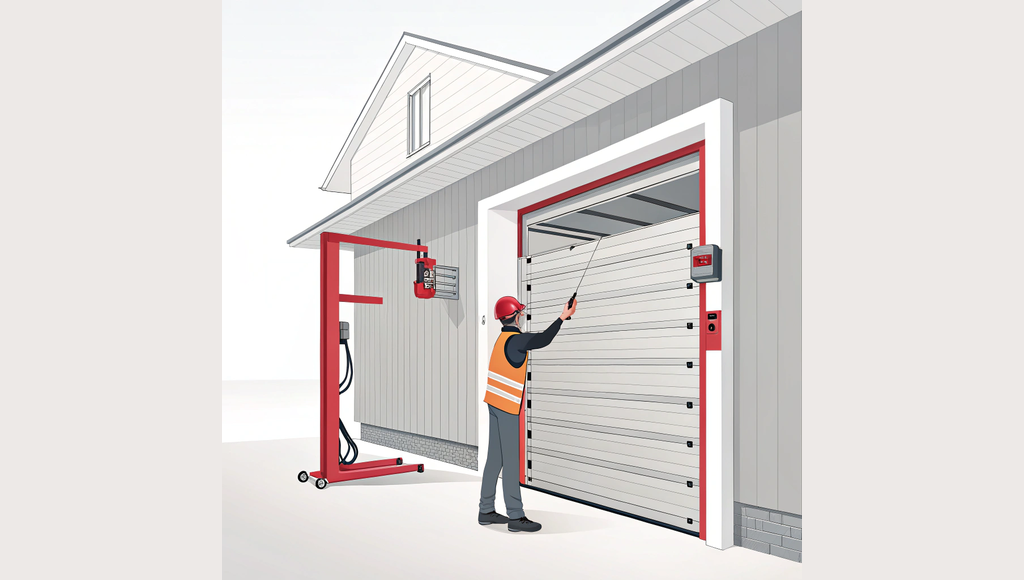
You lift your garage door halfway and let go. Instead of staying put, it crashes down or shoots upward. That's an unbalanced door, and it's not just annoying. It forces your opener to work harder, shortens its lifespan by years, and creates a safety risk every time you use it.
Balance means your spring system properly counteracts the door's weight. When everything works correctly, the door should stay wherever you position it. When springs weaken or tension changes, you end up fighting gravity every time you open your garage. The good news is you can diagnose this problem yourself in about three minutes using a simple test. What happens next depends on what you find, and we'll walk you through exactly when you can handle the fix yourself and when you need professional help.
Pro Tip: That $120 annual tune-up catches balance drift before it becomes a $500 emergency spring replacement. Most homeowners skip this until something breaks.
Our main garage door repair guide covers dozens of problems, but balance issues deserve special attention. They're easy to test, they reveal critical information about your spring system, and they determine whether you're looking at a quick adjustment or a bigger repair.
The balance test every homeowner should know
Pull the red emergency release cord to disconnect your door from the opener. This lets you operate the door manually without the motor interfering. Open the door completely, then close it all the way to establish a baseline. Now comes the actual test.
Lift the door to waist height, roughly the midpoint of its travel. Let go completely and step back. Watch what happens over the next 10 to 15 seconds. A properly balanced door stays right where you left it. Some minor drift over several minutes is normal, but any immediate movement tells you something needs attention.
If the door drops, your springs lack sufficient tension to support the weight. If it rises on its own, the springs are wound too tight. Uneven movement where one side drifts differently than the other suggests cable problems or misaligned tracks, not just spring tension issues.
| Test Result | What It Means | Typical Action Needed |
|---|---|---|
| Door stays put | Properly balanced | No immediate action, test quarterly |
| Door falls slowly | Springs losing tension | Professional adjustment within weeks |
| Door falls rapidly | Springs severely weakened or broken | Professional service immediately |
| Door rises | Springs over-tensioned | Professional adjustment needed |
| Uneven drift (one side different) | Cable or track issues | Professional inspection required |
Repeat this test three times to confirm your results. Consistency matters more than a single observation, especially if the door only drifts slightly.
What an unbalanced door tells you
Balance problems trace back to three main causes. Most commonly, springs have worn down through normal use. Every time you open and close your door, the springs complete one cycle. Standard springs are rated for 10,000 to 15,000 cycles, which translates to seven to ten years for most households. As springs approach their cycle limit, they lose tension gradually, and your door starts falling during the balance test.
Less frequently, a broken or fraying cable creates uneven weight distribution. Cables work with springs to lift the door, so damage on one side throws off the entire system. You might also see balance issues after replacing a single panel, which changes the door's overall weight without corresponding spring adjustment.
Key Fact: Operating an unbalanced door shortens your opener's lifespan by three to five years. The motor compensates for weak springs by working harder on every cycle, accelerating wear on gears and the drive mechanism.
The immediate concern goes beyond convenience. An unbalanced door with weak springs could fall unexpectedly if cables snap under uneven stress. Professional technicians see this scenario regularly, where homeowners ignored gradual balance drift until a catastrophic failure left them with a door that won't open and damaged vehicles or property. Our garage door spring replacement guide explains warning signs that indicate springs nearing failure, not just needing adjustment.
When you can adjust vs. when to call someone
Here's the boundary you need to respect. Spring adjustment and replacement require professional service. Period. Torsion springs store several hundred pounds of force in tightly wound coils. Extension springs stretch under extreme tension. Both systems cause serious injuries when amateurs attempt repairs without specialized winding bars, proper securing methods, and experience calculating correct spring sizing.
Every year, emergency rooms treat homeowners who thought spring work looked manageable. Broken bones, severe lacerations, and worse result from springs snapping during improper handling. The $150 to $250 you'd spend on professional balance service isn't expensive when you consider the alternative.
What you can safely check yourself includes cleaning debris from tracks, inspecting rollers for wear, and testing safety sensors. Sometimes what feels like a balance problem actually stems from dirty tracks causing friction or misaligned sensors preventing proper operation. These items fall within safe DIY territory.
If your springs are seven years old or older and the balance test shows significant drift, you're likely looking at spring replacement rather than simple adjustment. Adjusting worn springs provides temporary improvement at best. Read about torsion spring lifespan to understand replacement timing better. Similarly, if you spot broken cables, that's another professional-only repair that often accompanies balance issues.
Safety Note: Never attempt to wind or unwind garage door springs yourself. The specialized tools and techniques prevent the injuries that send dozens of DIYers to emergency rooms every month.
Keeping your door balanced long-term
Test your door's balance every three months using the same procedure we covered earlier. This quarterly check takes two minutes and catches spring deterioration before it becomes obvious through daily operation. Mark it on your calendar alongside other routine home maintenance tasks like changing HVAC filters.
Springs don't last forever regardless of how well you maintain your door. Most residential springs are designed for 10,000 cycles, which equals roughly seven years for a household opening the door four times daily. High-cycle springs rated for 25,000 to 30,000 cycles cost more upfront but last proportionally longer. When you eventually need replacement, consider upgrading to these longer-lasting options.
Between quarterly balance tests, lubricate your springs, hinges, and rollers every three months using garage door specific lubricant or white lithium grease. Proper lubrication reduces friction that accelerates spring wear and keeps the counterbalance system working efficiently. Don't use WD-40, which actually strips away existing lubricant rather than protecting components.
Professional maintenance visits provide value beyond what homeowners typically handle themselves. Technicians measure spring tension precisely, adjust it in quarter-turn increments when needed, and spot early signs of cable fraying or hardware stress. Our garage door maintenance schedule outlines what annual service should include and what you can reasonably handle between professional visits.
Quick Tip: Set a phone reminder for the first day of each quarter. Test your balance, apply lubricant, and visually inspect springs for gaps or rust. This 10-minute routine prevents most balance emergencies.
Taking action on what you learned
You now know how to identify balance problems before they strand you with a door that won't open. Run the halfway test this weekend, even if your door seems fine. Establishing a baseline when everything works correctly helps you notice subtle changes later.
If your test reveals balance issues, resist the urge to adjust springs yourself. The risk far outweighs the potential savings, and improper adjustment often creates bigger problems than it solves. Call a licensed garage door technician with proper insurance and specialized tools. They'll evaluate whether you need adjustment or replacement, check for related issues like cable wear, and ensure your door operates safely.
Make quarterly testing part of your routine home maintenance. Those two minutes four times per year catch spring deterioration early, when professional adjustment costs less than emergency replacement. Your opener will last longer, your door will operate more reliably, and you'll avoid the inconvenience of breakdowns at the worst possible moments.
FAQs
How do I know if my garage door is unbalanced?
Disconnect the opener and manually lift your door to waist height. Let go completely and watch what happens. A balanced door stays in place, while an unbalanced door will fall (weak springs) or rise (over-tensioned springs). Repeat this test three times to confirm results. Any immediate movement indicates your springs need professional attention.
Can I adjust garage door spring tension myself?
No, spring adjustment requires professional service. Torsion and extension springs store hundreds of pounds of force that can cause serious injury without specialized winding bars and proper training. Emergency rooms treat dozens of DIY spring injuries monthly. Professional balance adjustment costs $150 to $250, far less than medical bills or property damage from improper handling.
What causes a garage door to become unbalanced?
Most commonly, springs lose tension through normal wear. Standard springs last 10,000 to 15,000 cycles, about seven to ten years for typical households. Other causes include broken or fraying cables creating uneven weight distribution, or recently replaced panels changing the door's overall weight without corresponding spring adjustment.
How often should I test my garage door balance?
Test your garage door balance every three months. This quarterly check takes two minutes and catches spring deterioration before it affects daily operation. Set a reminder for the first day of each quarter. Regular testing helps you notice gradual changes and schedule professional service before springs fail completely, preventing emergency repairs.