
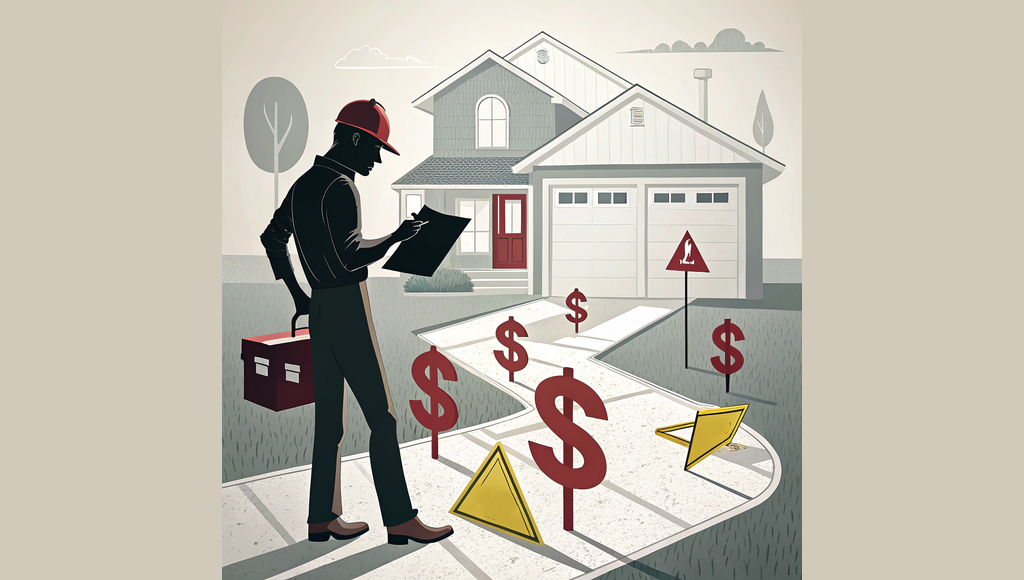
When your garage door breaks, the pressure to find help fast makes you vulnerable to contractors who know you're in a bind. Maybe your spring snapped and you can't get your car out, or your door won't close and you're worried about security. That urgency is exactly when dishonest operators count on you skipping the vetting process that would normally protect you.
The good news? Warning signs from problematic contractors follow predictable patterns. You don't need technical expertise to spot them. You just need to know what legitimate professionals do differently from fly-by-night operators looking to overcharge or deliver sloppy work. These red flags apply whether you found someone through a quick Google search or got a referral from a neighbor. Before we get into specifics, understanding the broader principles of contractor selection helps you recognize why these warning signs matter.
Safety Note: Even during genuine emergencies like a door stuck open overnight, taking 20 minutes to verify basic credentials protects you from far worse problems than the inconvenience you're already facing.
Credentials and insurance that don't check out
Ask any contractor for their license number and current insurance certificate before they touch your door. Legitimate professionals expect this question and have documentation ready. They'll either email certificates immediately or show them when they arrive for the estimate. If you get vague responses, excuses about paperwork being "at the office," or irritation at the request, you've found your first major red flag.
Verify the license number with your state contractor board. This takes five minutes online and confirms they're legally authorized to work in your area. Insurance matters even more because you're liable if an uninsured worker gets injured on your property. You need to see proof of both general liability coverage (at least $1 million) and workers' compensation. Expired certificates or insurance that doesn't match the company name signal serious problems.
Check their BBB profile for complaint history. An A+ rating doesn't guarantee perfect service, but unresolved complaints about the specific issues we're discussing (hidden fees, incomplete work, licensing problems) tell you everything you need to know. If they can't provide these basics or their story doesn't check out, end the conversation. The credential verification process walks you through exactly what to ask for and how to confirm it.
| What Legitimate Contractors Provide | Red Flag Responses |
|---|---|
| License number and state verification link | "We're registered, don't worry about it" |
| Current insurance certificates via email | "I'll bring paperwork later" |
| BBB profile with rating history | "We don't need BBB, check our website" |
| Written proof before starting work | "Let's just get your door fixed first" |
Pricing practices that signal trouble
Written estimates with itemized breakdowns separate professional contractors from those planning to inflate charges once they've started work. When someone quotes you $99 for spring replacement over the phone, then shows up and suddenly needs $600 for "required additional parts," you've hit the classic bait-and-switch. Quality contractors provide detailed written estimates breaking down labor, parts, and any service fees separately.
Prices dramatically lower than other quotes deserve skepticism, not celebration. If three companies quote $250-350 for spring replacement and someone offers $125, they're either using inferior parts, cutting safety corners, or planning to add hidden fees. The industry has standard cost structures for materials and labor. Nobody can legitimately undercut competitors by 50% on the same quality work.
Large upfront payments for repair work signal cash flow problems or worse. A deposit makes sense for ordering custom doors, but demanding full payment before completing a repair tells you they might not finish the job. Cash-only requirements raise similar concerns since legitimate businesses accept checks and cards for documentation. Refusing to provide written estimates or contracts means you have zero recourse if the work fails or costs balloon beyond verbal promises. Normal pricing for common repairs runs $200-500 for springs, $300-500 for opener installation, and $150-300 for cable replacement. Quotes dramatically outside these ranges need explanation. Compare multiple written estimates using the guidance in evaluating and comparing quotes to understand what fair pricing actually looks like.
Pressure tactics and communication red flags
Legitimate emergency service means they can come quickly when you have a genuine security issue. Pressure tactics mean they fabricate urgency to prevent you from getting other quotes or thinking through the decision. "This price expires if you don't decide today" or "I can only hold this slot for the next hour" are manufactured deadlines designed to bypass your judgment.
Scare tactics about safety deserve particular attention because real safety concerns do exist with garage doors. The difference is in the approach. A professional explains specific issues they observed, shows you the problem, and gives you time to decide. Someone trying to manipulate you makes vague claims about "dangerous situations" without evidence, refuses to let you get a second opinion, or implies your family is at immediate risk unless you hire them right now.
Watch how they respond to basic questions. Do they explain their process clearly or dodge specifics? Will they provide references from recent customers or claim "privacy concerns" prevent sharing contacts? Professional contractors welcome questions because educated customers make better clients. Defensive or dismissive responses to reasonable inquiries tell you how they'll act if problems arise after they've been paid.
Expert Advice: Real urgency is about security and access, not sales pressure. A door stuck open overnight needs same-day service. A functioning door that could use new springs can wait while you get three quotes, regardless of what anyone claims about "limited time pricing."
The refusal to provide written contracts or pull required permits represents another serious warning sign. Contracts protect both parties by documenting exactly what work will be performed, what materials will be used, and what warranties apply. Permits ensure inspections confirm the work meets safety codes. Contractors who want to skip these steps are hiding something. More red flags related to dishonest practices appear in our guide on avoiding repair scams.
Review and reputation warning signs
Companies with legitimate track records have reviews across multiple platforms because satisfied customers naturally leave feedback on Google, Yelp, BBB, and Angi over time. When you can only find reviews on the company's own website, you're seeing curated testimonials, not independent verification. Similarly, contractors who exist on one platform but nowhere else raise questions about how long they've actually been in business.
Perfect 5-star ratings with generic comments like "Great service!" or "Very professional!" often indicate fake or solicited reviews. Real customer feedback includes specific details about what happened, mentions technician names, describes particular issues that were solved, and occasionally includes minor criticisms even in positive reviews. A 4.7 rating from 150 customers with detailed, varied feedback tells you more than a 5.0 from 12 identical-sounding reviews.
Pay attention to review timing patterns. All reviews clustered in the past month with nothing before suggests they just opened or they're recovering from a name change to escape bad reputation. No reviews in the past six months despite claiming to be busy means something changed recently in their operation. The most reliable pattern shows consistent feedback over months or years with recent reviews confirming current service quality.
Watch how companies respond to negative reviews. Professional contractors acknowledge issues, explain what happened, and describe how they resolved problems. Defensive, hostile, or excuse-filled responses reveal how they'll treat you if something goes wrong. Our detailed guide on reading company reviews helps you distinguish authentic feedback patterns from manipulation.
| Legitimate Review Patterns | Suspicious Patterns |
|---|---|
| Reviews across Google, BBB, Angi, Yelp | Only on company website or single platform |
| Mix of ratings (4.3-4.8 average) with detailed comments | Perfect 5.0 with generic one-liners |
| Consistent reviews over 6+ months | All reviews from same week/month |
| Professional responses addressing specific concerns | Defensive or no responses to criticism |
Trust your instincts and verify everything
If something feels off during any interaction with a potential contractor, that instinct deserves attention. You're not being paranoid by asking for credentials, requesting written estimates, or taking time to compare options. These are standard business practices that legitimate professionals expect and respect.
The contractors worth hiring actually prefer informed customers who ask good questions. They know that homeowners who understand the process, verify credentials, and compare detailed quotes make better clients with fewer disputes. Your caution doesn't offend them because they have nothing to hide and everything to gain from transparent business practices.
Even genuine emergencies don't require abandoning basic vetting steps. The 15 minutes you spend verifying insurance and checking reviews protects you from problems that would take months and potentially thousands of dollars to resolve. GarageDoorHandbook's multi-source rating system aggregates feedback from Google, BBB, Angi, and Yelp specifically to help you quickly identify contractors with proven track records across platforms.
Return to our comprehensive contractor selection guidance for the complete framework on evaluating garage door professionals, from initial research through final hiring decisions.
Universal Rule: If a contractor refuses to provide written documentation for credentials, estimates, or contracts, end the conversation immediately. Legitimate businesses put everything in writing because it protects both parties.
FAQs
What should I ask a garage door contractor before hiring them?
Request their contractor license number, current insurance certificates (general liability and workers' compensation), and a written estimate with itemized costs. Legitimate contractors provide these immediately without hesitation. Verify the license with your state board and check their BBB profile for complaint history. If they give vague responses or seem irritated by these basic questions, that's a major red flag to walk away.
How can I tell if a garage door repair quote is a scam?
Watch for verbal-only estimates without written breakdowns, prices 40% or more below competitors, and large upfront payment demands for simple repairs. Cash-only requirements and vague pricing like "depends on what we find" without ranges signal trouble. Normal repairs cost $200-500 for springs and $300-500 for openers. Quotes dramatically outside these ranges need detailed explanation before you proceed.
Are fake garage door company reviews easy to spot?
Yes. Fake reviews appear only on the company's website or single platform, show perfect 5-star ratings with generic comments, and cluster within the same timeframe. Authentic reviews spread across Google, BBB, Yelp, and Angi over months, include specific details about the service, and average 4.3-4.8 stars. Real customers mention technician names and describe particular problems that were solved.
What pressure tactics do dishonest garage door contractors use?
They create artificial urgency with "today only" pricing that expires within hours and make vague safety claims without showing evidence. Legitimate contractors explain specific issues they observed and give you time to decide. Real emergencies involve security problems like doors stuck open overnight, not manufactured deadlines to prevent you from getting additional quotes or consulting other professionals.