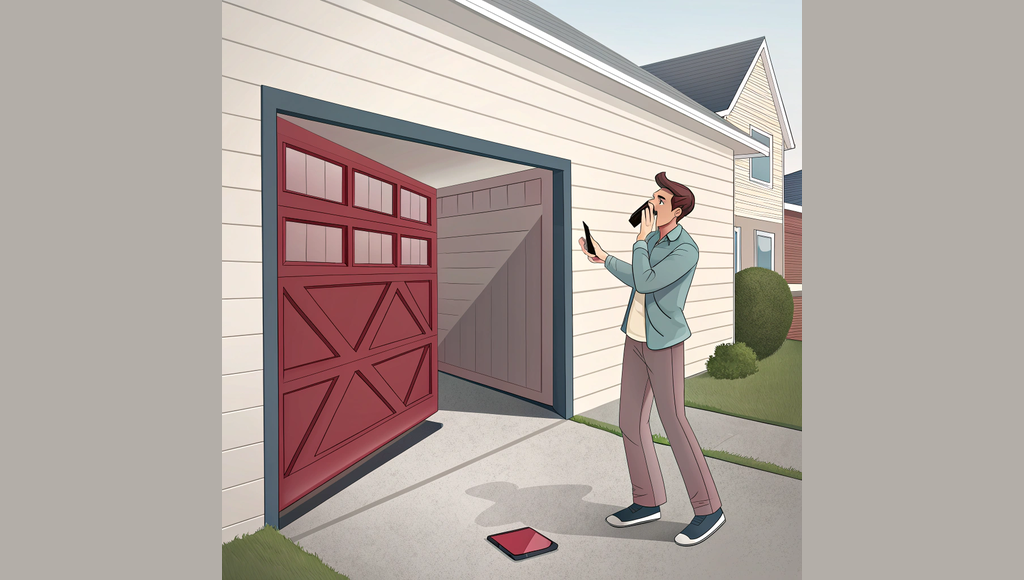
Your garage door isn't just a slab of metal or wood that goes up and down. It's probably the largest moving part of your home, getting used 3 to 5 times every single day. When it breaks, it's not just inconvenient, it can completely throw off your routine. You can't get your car out, your home security is compromised, and suddenly you're getting quotes that range from $150 to $1,500 depending on who you talk to.
Here's what most homeowners don't realize. About 80% of garage door problems come from just a handful of common issues, and many of them show warning signs weeks before they actually fail. The difference between a $200 repair and a $2,000 replacement often comes down to catching these signs early and knowing when to call in a professional versus when you can handle it yourself.
Most garage door emergencies happen between 6 AM and 9 AM on weekday mornings, right when you're trying to get to work. Having a basic understanding of how your system works can save you from being stuck with a broken door at the worst possible time.
This guide walks you through everything from identifying what's actually broken to understanding what a fair repair should cost. Whether you're dealing with a door that won't open, strange grinding noises, or just want to prevent problems before they start, you'll find practical answers that help you make smart decisions about your garage door.
Quick Reality Check Before You Start
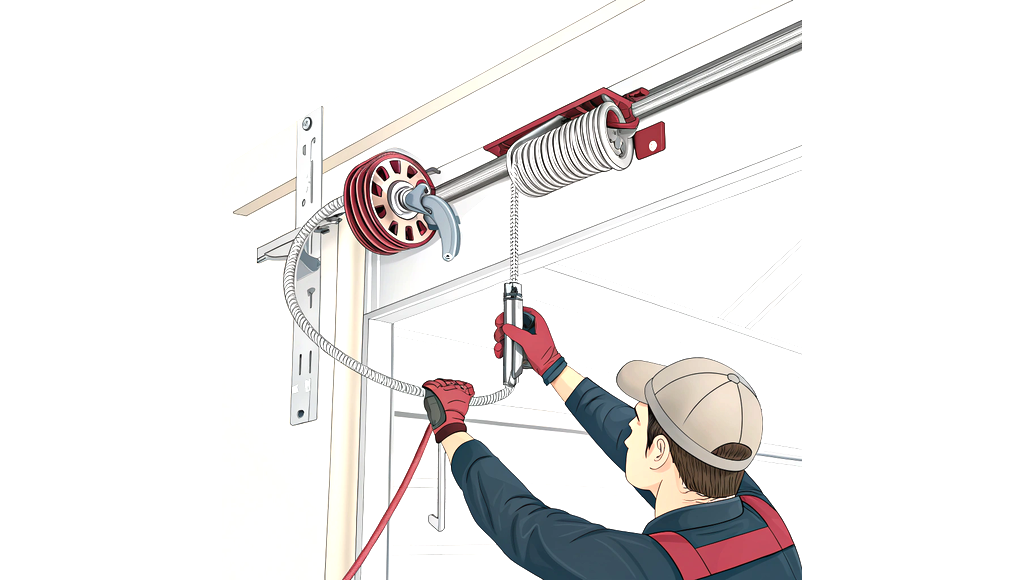
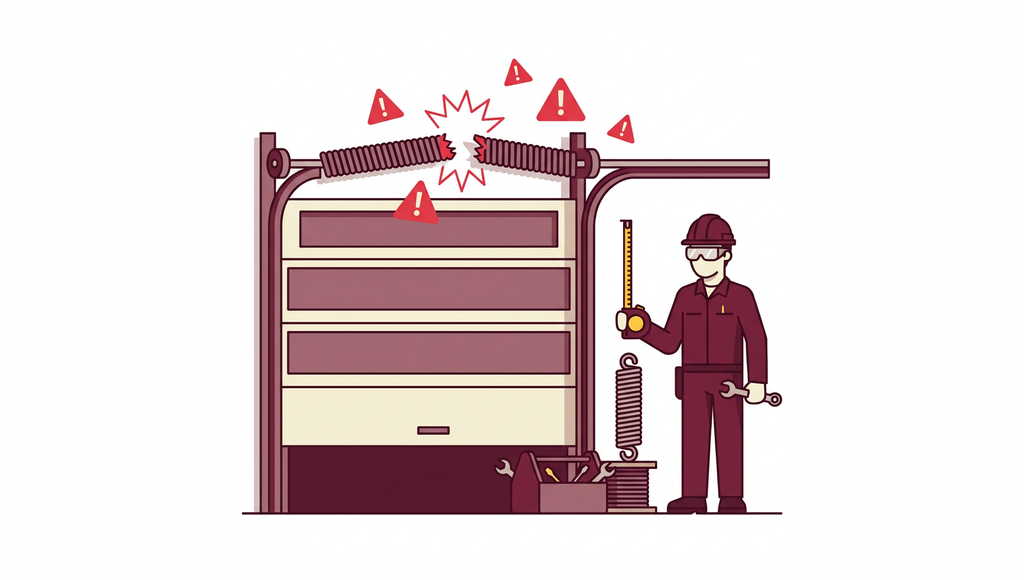
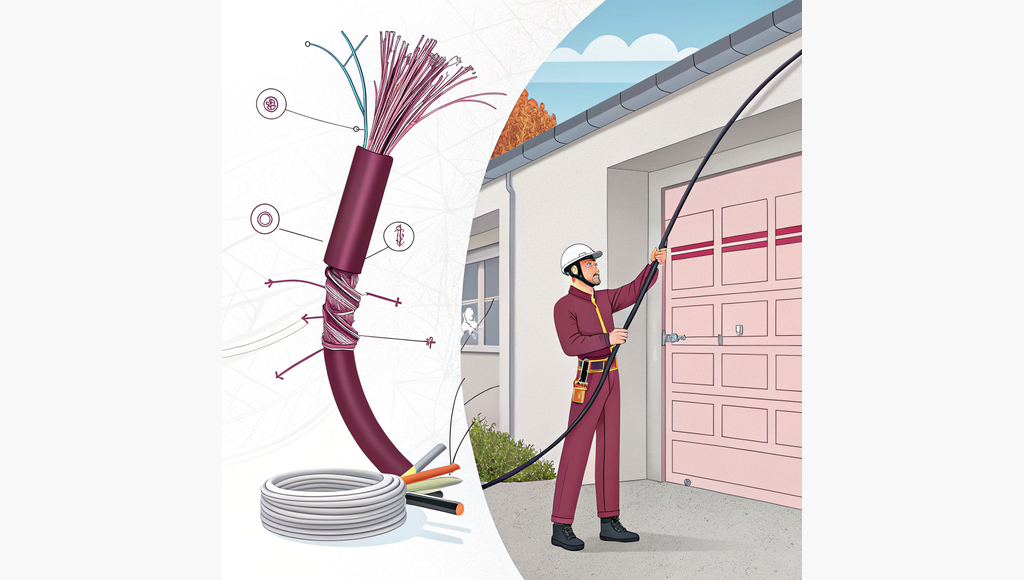
Let's get one thing straight right away. Garage door springs are under tremendous tension, sometimes holding 200 to 400 pounds of force. Every year, people end up in emergency rooms because they thought replacing a spring would be a quick Saturday morning project. It's not.
The general rule is simple. If it involves springs, cables, or the bottom brackets that attach to those cables, call a professional. These components are legitimately dangerous if you don't have the right tools and training. On the other hand, issues with sensors, remotes, tracks, or weatherstripping are usually safe for a capable DIYer to handle.
You also need realistic expectations about age. Most garage doors last 15 to 30 years depending on the material and how well they're maintained. Springs typically need replacing every 7 to 10 years. If your door is already 20 years old and you're facing a major repair, it might be time to have a conversation about replacement instead of pouring money into an aging system.
Understanding How Your Garage Door Actually Works
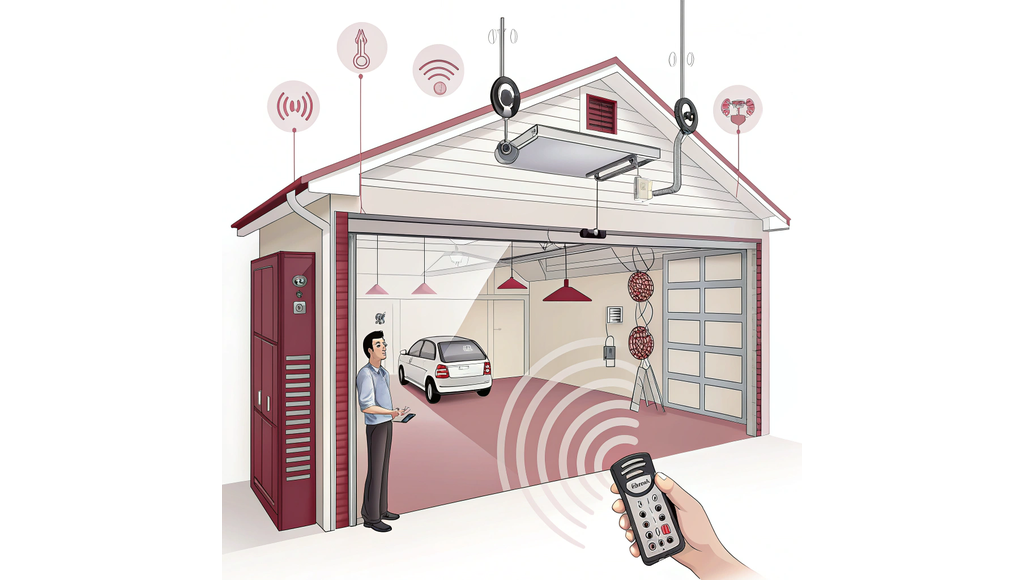
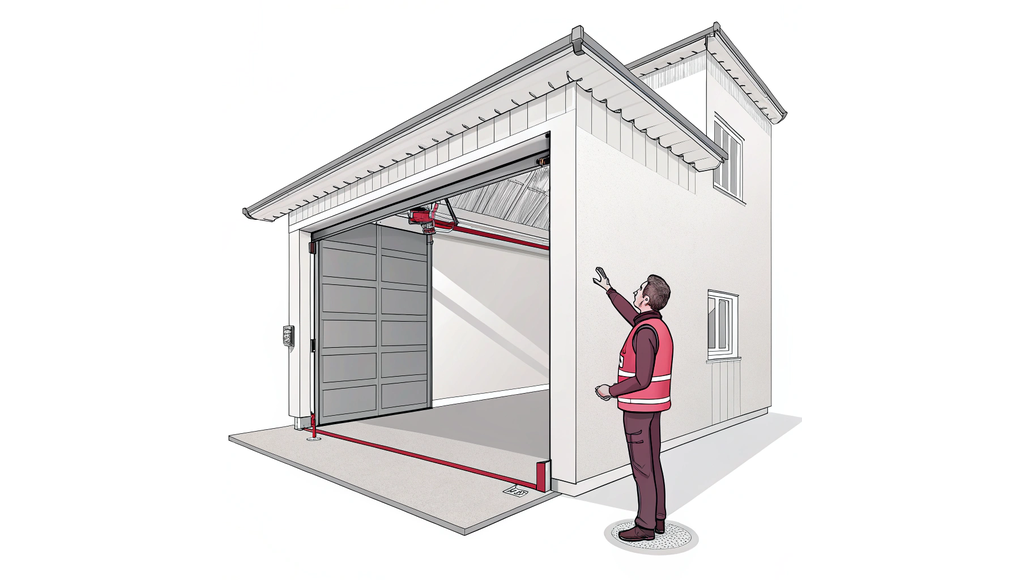
Think of your garage door system as having three main jobs. First, there's the door itself, which is usually made of connected panels that ride in tracks on either side. Second, there's the counterbalance system, which is what makes a 150-pound door feel light enough to lift with one hand. Third, there's the opener, which is basically just a motor that does the lifting work for you.
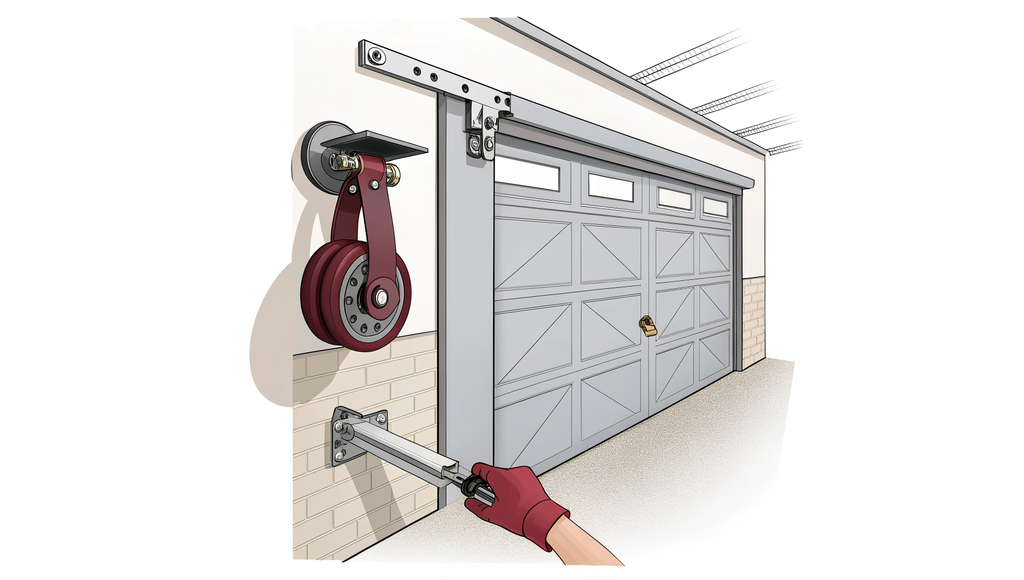
The counterbalance system is where most problems happen. If you have a door with springs mounted on a bar above the door, those are torsion springs. If you see springs stretching along the track on each side, those are extension springs. Torsion springs are more common in newer homes because they're safer and last longer, but they're also trickier to replace.
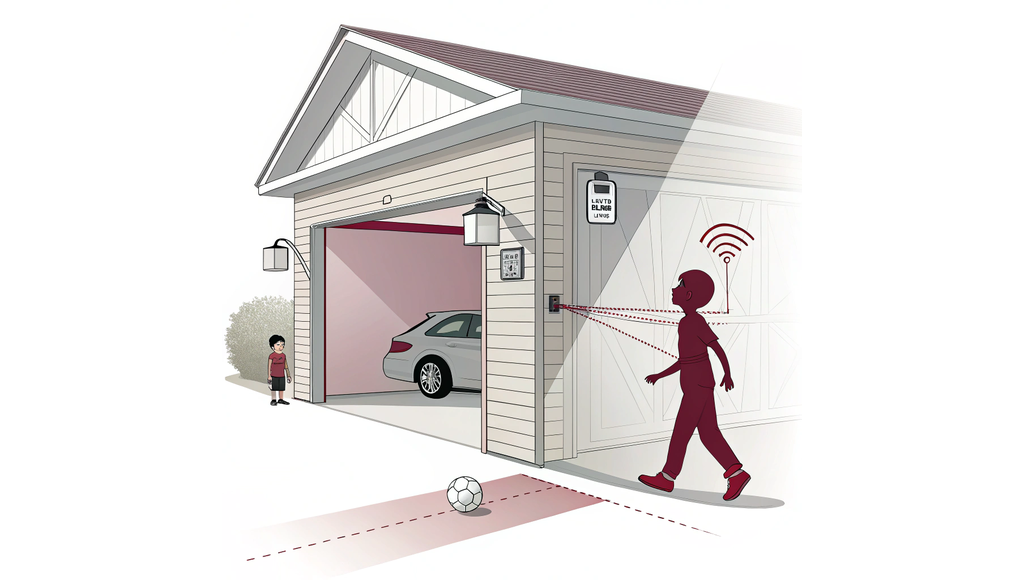
When you press your remote, the opener motor turns a chain, belt, or screw drive that pulls the door up along the tracks. At the same time, those springs are unwinding to help lift the weight. Safety sensors near the floor make sure nothing is in the way. If any part of this system gets out of sync, your door stops working properly.
Diagnosing What's Actually Wrong
The best diagnostic tool you have is your own observation. Strange noises tell you a lot. A grinding sound usually means the rollers or bearings are worn out. A popping noise when the door moves often points to a spring issue. If you hear the motor running but the door doesn't move, that's typically a problem with the trolley or chain.
Here's a simple test you can do safely. Disconnect the door from the opener by pulling the red emergency release cord. Then manually lift the door halfway and let go. A properly balanced door should stay roughly where you left it. If it falls down, your springs are weak or broken. If it shoots up, they're too tight.
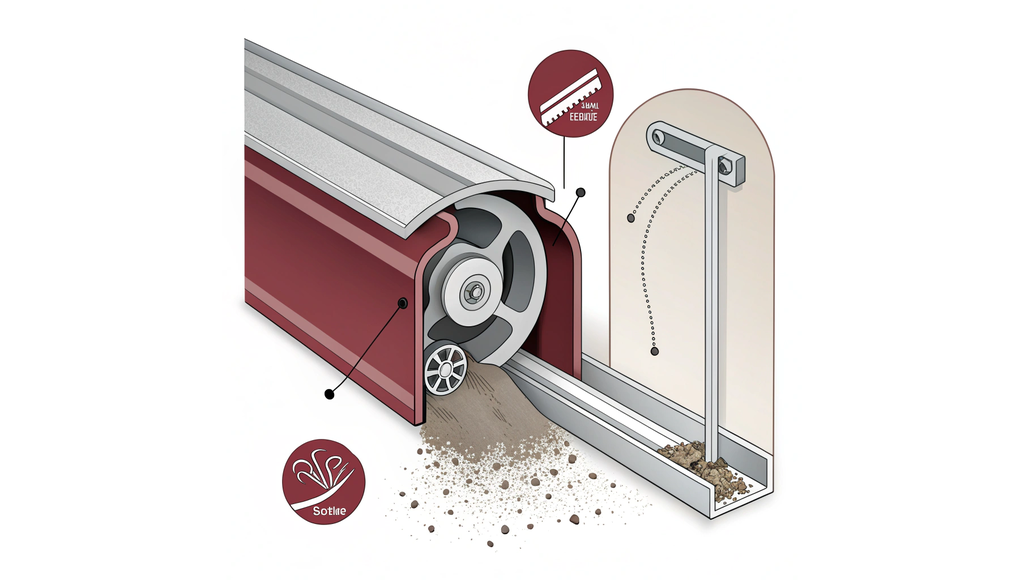
Check the tracks next. They should be completely vertical on the sides and curve smoothly into horizontal sections. Any gaps, dents, or bends will cause the door to stick or make noise. Look at the rollers too. If they're worn down, cracked, or wobbling in their sockets, that's your problem right there.
A garage door should open fully in about 12 to 15 seconds. If yours takes longer than 20 seconds or moves in jerky stops and starts, something needs attention even if it's technically still working.
Common Repairs and What They Actually Cost
Let's talk real numbers because the pricing in this industry can be all over the map. A broken spring replacement typically runs $200 to $300 for a standard two-car garage with torsion springs. Extension springs are usually cheaper, around $150 to $200. These prices include labor and the parts, and the job should take a professional about an hour.
Roller replacement depends on how many need replacing. Most people replace all of them at once, which makes sense since they tend to wear at the same rate. For a 16-foot door with 10 rollers, expect to pay $200 to $350. Nylon rollers are quieter than steel and worth the small extra cost if noise bothers you.
Opener repairs vary widely based on what's broken. Replacing a circuit board runs $150 to $300. A new motor might cost $300 to $500, at which point you should probably just replace the whole opener for $400 to $600. Sensor alignment or replacement is usually a quick $100 to $150 fix.
| Repair Type | Typical Cost Range | Time to Complete | DIY Difficulty |
|---|---|---|---|
| Spring Replacement | $200-$300 | 1-2 hours | Professional Only |
| Roller Replacement | $200-$350 | 1-2 hours | Moderate |
| Cable Replacement | $150-$250 | 1 hour | Professional Only |
| Opener Repair | $150-$500 | 1-3 hours | Easy to Moderate |
| Track Realignment | $150-$300 | 2-3 hours | Moderate |
| Panel Replacement | $250-$800 | 2-4 hours | Moderate to Hard |
When You Can Handle It Yourself
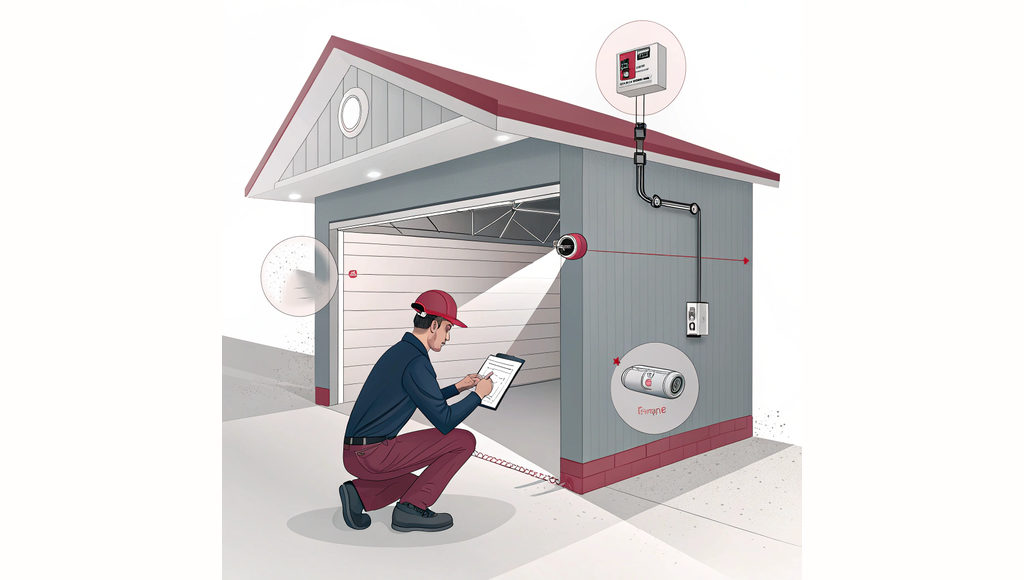
Sensor problems are the most common DIY-friendly issue. Those little photo eyes near the floor get bumped or dirty all the time. Make sure they're aligned properly, pointing directly at each other. Clean the lenses with a soft cloth. Check that the wiring isn't loose or damaged. Most sensor issues take 10 minutes to fix once you know what to look for.
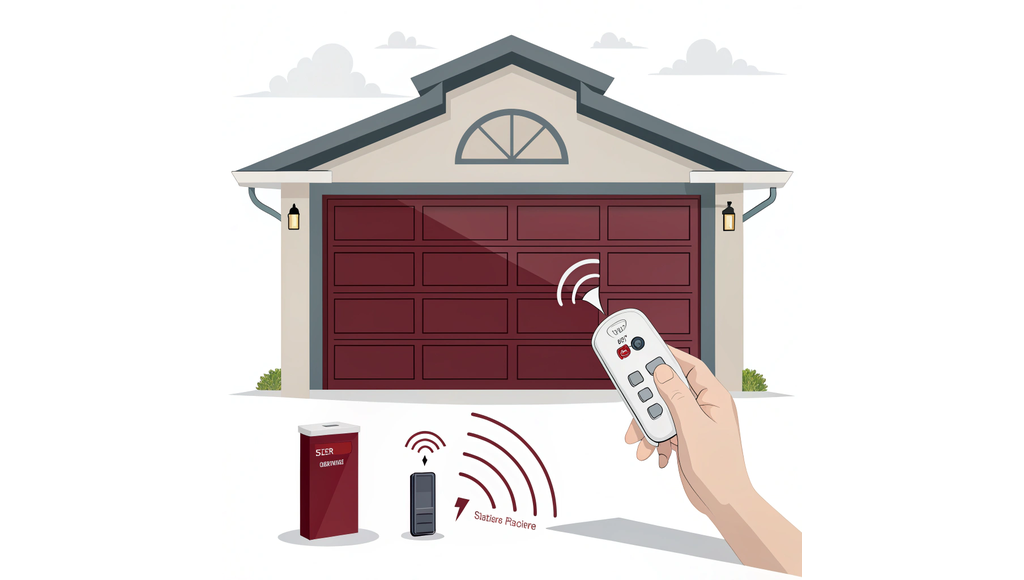
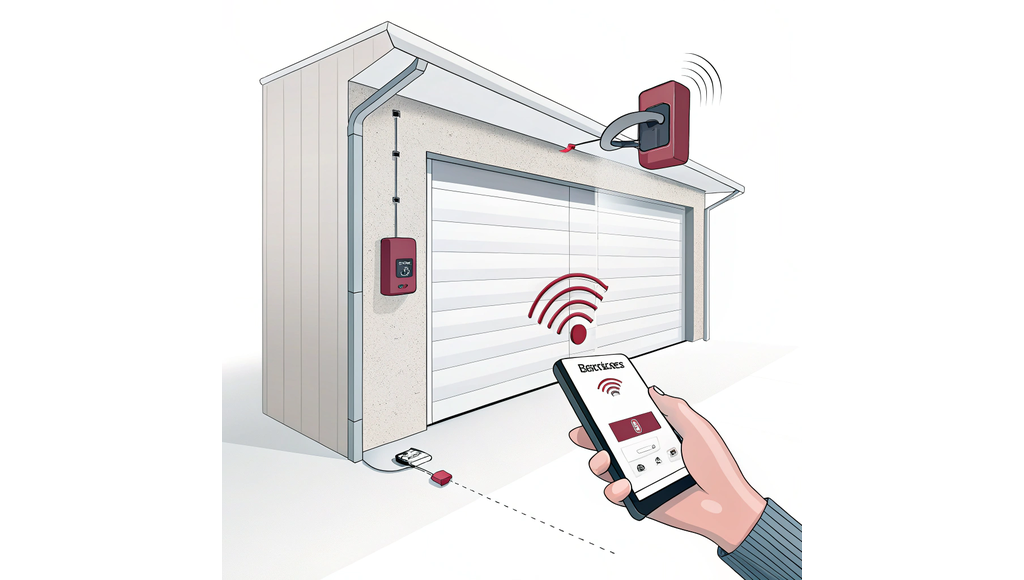
Remote programming is another easy one. Most modern openers have a learn button you press, then press the button on your remote within 30 seconds. Your owner's manual will have exact steps, but it's rarely complicated. If your remotes work but the wall button doesn't, check the wiring between the button and the opener.
Track cleaning and minor adjustments fall into the manageable category. You can tighten loose bolts, clean debris from the tracks, and even adjust track alignment slightly if you're comfortable with basic tools. The key word here is slightly. If you need to move a track more than a quarter inch, call someone who does this for a living.
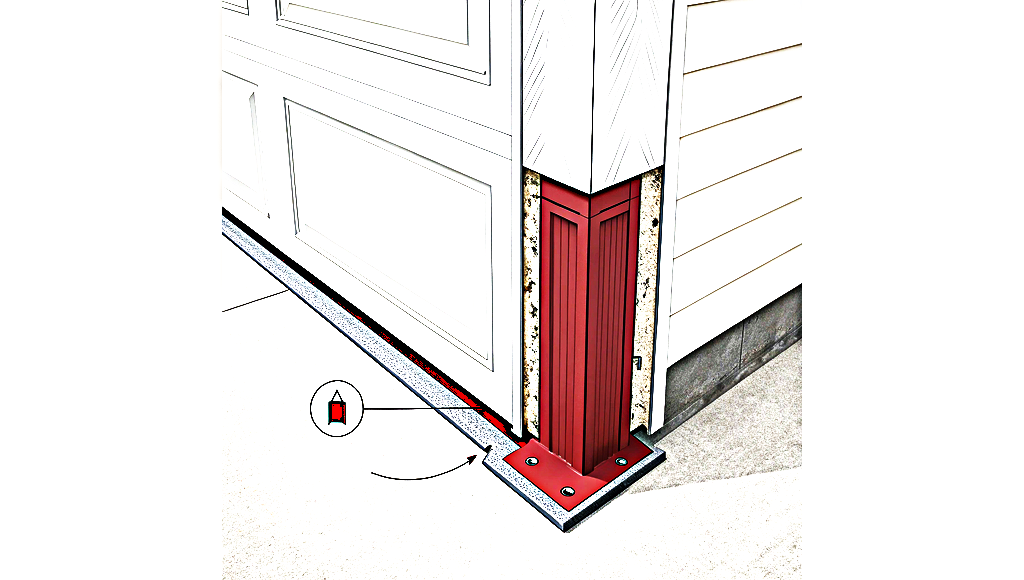
Weatherstripping replacement is purely cosmetic difficulty. The bottom seal wears out from scraping on the concrete every day. You can buy replacement seals at any hardware store and slide them into the channel on the bottom of the door. Side and top seals stick on with adhesive. None of this requires special skills, just patience.
Finding Someone Reliable When You Need Help
The garage door repair industry has a reputation problem, and it's partly deserved. There are plenty of companies that quote you $150 over the phone and then "discover" additional problems that bring your bill to $600. Knowing how to spot the good ones saves you money and frustration.
Start by getting at least three quotes. Legitimate companies will come to your house, look at the door, and give you a written estimate. Be suspicious of anyone who quotes a firm price over the phone without seeing the door. Every garage door setup is different, and no honest technician can tell you exactly what's wrong without looking.
Ask about warranty coverage on parts and labor. Reputable companies typically offer at least a one-year warranty on labor and match the manufacturer's warranty on parts. If someone can't clearly explain their warranty policy, that's a red flag. You want to know what happens if the same problem comes back in two months.
Check their credentials properly. A good garage door company should have general liability insurance and workers compensation coverage. Don't be shy about asking for proof. You also want someone who's been in business for at least a few years. This industry has high turnover, and you don't want to be someone's learning experience.
Prevention That Actually Matters
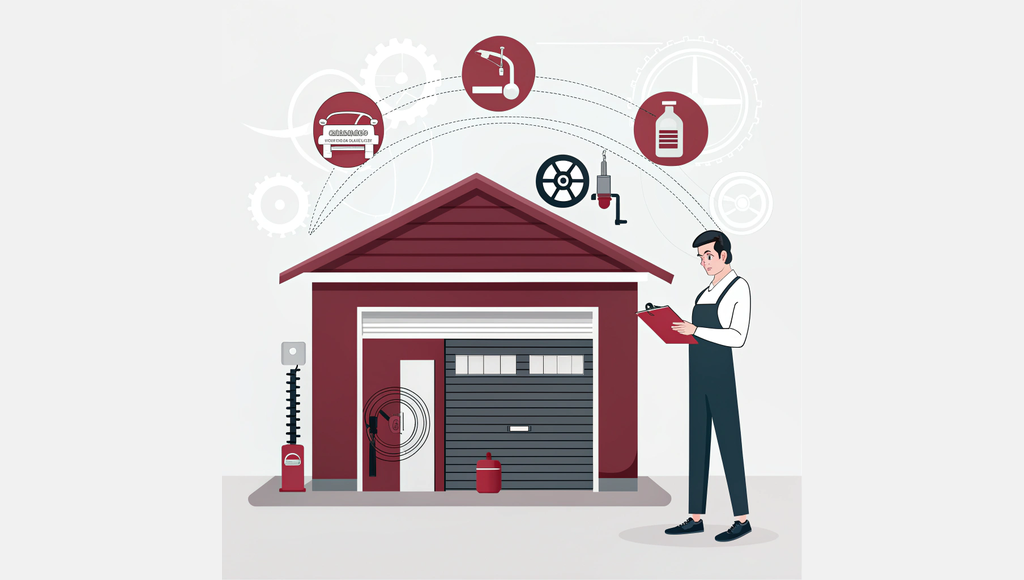
Monthly visual inspections catch most problems early. Look at the springs for signs of wear like gaps or rust. Watch the door move through a full cycle and listen for new noises. Check that the door sits level when closed and doesn't have gaps on one side. This five-minute check can spot a $200 repair before it becomes a $800 emergency.
Lubrication is the single most neglected maintenance task. Every three months, use white lithium grease or garage door specific lubricant on the springs, rollers, hinges, and tracks. Don't use WD-40 because it's a degreaser, not a lubricant. Proper lubrication reduces friction, extends the life of moving parts, and keeps your door running quietly.
Test your safety features twice a year. Place a 2x4 board flat on the ground where the door closes. The door should reverse when it hits the board. Also test the photo eye sensors by breaking the beam with your leg as the door closes. It should immediately reverse. If either test fails, stop using the opener until you fix the safety system.
Balance testing should happen annually. Remember that manual lift test from earlier? That's your balance check. If the door doesn't stay in place when you lift it halfway, your springs need adjustment or replacement soon. Catching weak springs before they break completely costs less and prevents the inconvenience of a door that won't open.
Professional maintenance visits cost $80 to $150 and include adjustments, lubrication, and safety checks that most homeowners skip. Getting one every two years typically prevents one major repair, making it worth the cost just from a financial standpoint.
Deciding Between Repair and Replacement
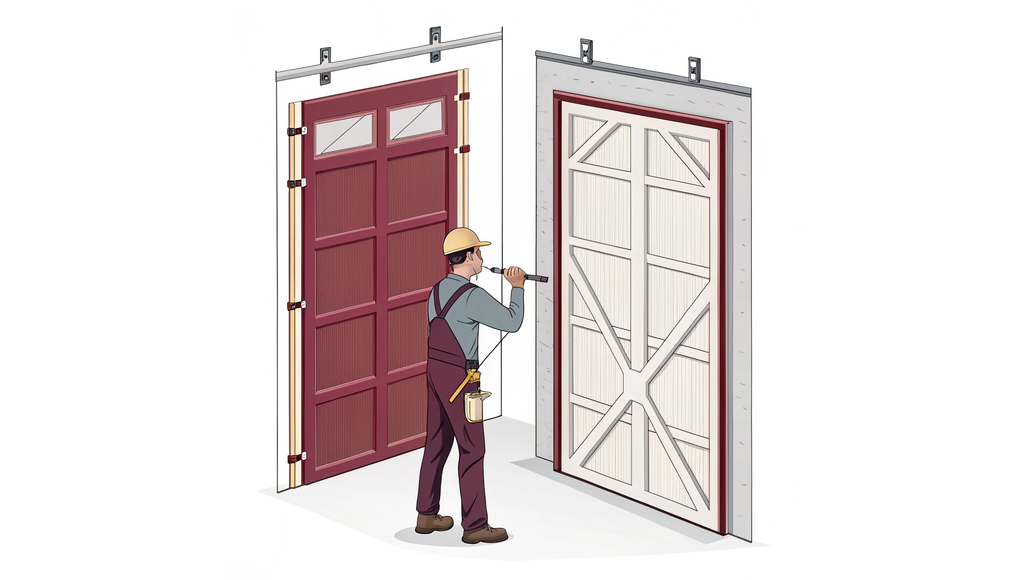
Age matters more than most people think. If your door is over 15 years old and you're looking at a repair that costs more than $500, run the numbers on replacement. A new basic door installed runs $800 to $1,500, and you get a fresh warranty, better insulation, and modern safety features. Pouring $700 into a 20-year-old door rarely makes financial sense.
Consider the cumulative repair history too. If you've spent $800 on repairs in the last three years, and now you need another $400 fix, you're in replacement territory. Each repair is justifiable on its own, but together they're telling you the door is at the end of its useful life.
Energy efficiency comes into play if your garage shares walls with living space. Older doors have minimal insulation and leak air around the edges. A new insulated door can reduce your heating and cooling costs by 10% to 20% in attached garages. Factor those savings into your replacement decision.
Safety standards have improved significantly in the past 15 years. If your door doesn't have photo eye sensors or auto-reverse functionality, replacement isn't just about function, it's about protecting your family. Modern doors also have stronger panel construction that holds up better to impacts and weather.
Action Items
- Test your door's balance by disconnecting it from the opener and lifting it halfway. If it doesn't stay in place, schedule a spring inspection within the next two weeks.
- Get three written estimates before agreeing to any repair over $300. Make sure each estimate breaks down parts and labor separately so you can compare fairly.
- Set a recurring reminder to lubricate all moving parts every three months. This 15-minute task will add years to your door's lifespan and prevent dozens of common problems.