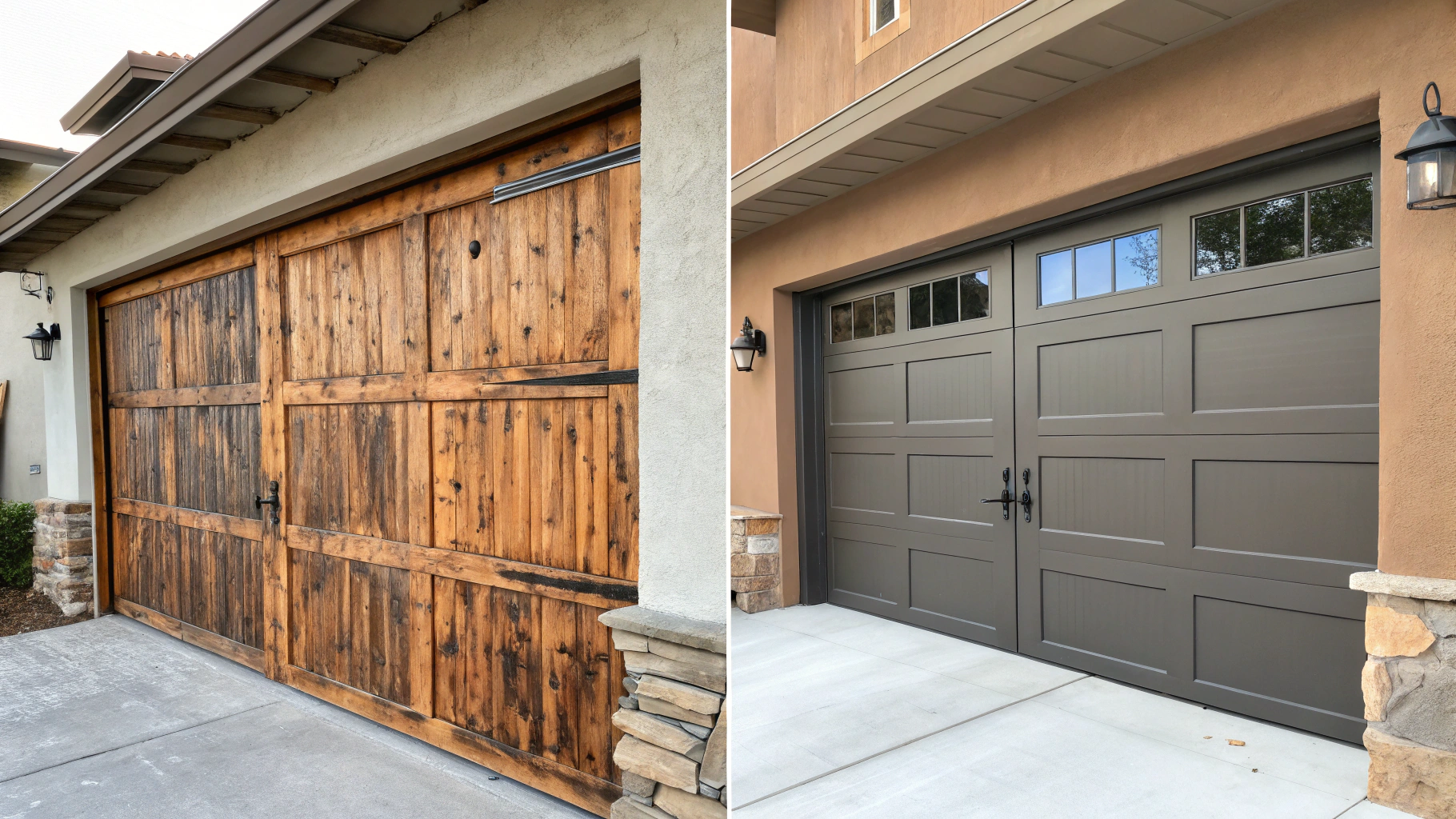
Why Choose Synthetic Wooden Garage Doors?
Synthetic wood garage doors bridge aesthetics and practicality, offering six compelling benefits over traditional wood.
Minimal Maintenance, Maximum Durability
Unlike real wood doors that demand staining or sealing every 1–3 years to prevent rot and warping 1, synthetic alternatives require only occasional cleaning with soap and water. Their weather-resistant materials—like steel cores wrapped in vinyl or fiberglass overlays—repel moisture, UV damage, and pests, eliminating the need for costly annual upkeep 23.
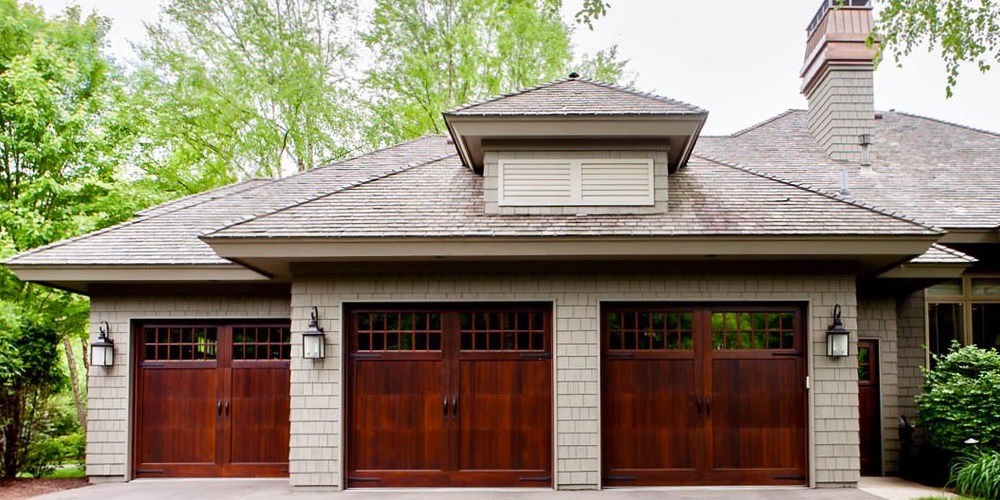
Take the case of Sarah and Mark in coastal Florida, who replaced their warped cedar door with a fiberglass faux wood model. Five years later, their door still looks new despite salt spray and hurricane seasons, needing nothing more than a yearly rinse 45.
Materials Matter: What Are Synthetic Garage Doors Made Of?
The durability and style of these doors depend on their engineered components:
Polyurethane Blends
Premium lines use molds taken from real wood planks to replicate textures like cypress or walnut. These durable synthetic materials resist moisture and insects while allowing stain or paint customization 67.

Steel with Wood-Grain Finishes
Affordable steel doors coated in embossed wood patterns offer impact resistance. Many manufacturers pair steel cores with vinyl overlays for a convincing wood look under $2,500 89.
Cost Comparison: Synthetic vs Real Wood Garage Doors
Faux wood doors deliver luxury aesthetics at a fraction of the cost:
- Real Wood Doors: $2,000–$10,000+ for custom designs, plus $200–$500 annually for staining/sealing 1011.
- Synthetic Wood Doors: $1,000–$5,000 installed, with insulated models like Amarr’s Northwoods Plank ($3,500–$4,500) offering lifetime warranties 1213.
Homeowners in colder regions like Minnesota report 10–20% reductions in heating bills after switching to insulated synthetic doors with polyurethane cores (R-18+) 1415.
2025 Design Trends: Where Style Meets Storm Resistance
This year’s top styles prioritize versatility and climate resilience:
Coastal-Ready Construction
Hurricane-rated doors with reinforced steel cores and moisture-resistant coatings dominate beachfront markets. These models withstand 140 mph winds while maintaining crisp wood-grain aesthetics 417.

Dark Tones and Textured Grains
Espresso and matte black finishes add drama to modern farmhouses, while hand-scraped textures mimic reclaimed barnwood without the maintenance. The key innovation? UV-resistant coatings that prevent fading in desert climates like Arizona 1819.
Choosing Your Synthetic Wood Door
Consider these factors to match your home’s needs:
Climate Compatibility
- Humid/Coastal Areas: Fiberglass or polyurethane blends resist salt corrosion 2021.
- Snowy Regions: Insulated steel doors with polyurethane cores prevent heat loss 1415.
Budget-Friendly Options
- Under $2,500: Steel doors with vinyl overlays work for Tudor-style homes 89.
- $3,000–$5,000: Composite doors with wood-look cladding suit modern builds 2627.
Long-Term Value: Why Synthetic Doors Pay Off
Over a decade, synthetic wood garage doors save homeowners up to 60% compared to real wood through:
- Lower upfront costs ($1,000–$5,000 vs. $2,000–$10,000) 2829.
- Zero refinishing expenses—unlike wood’s $2,000+ decade-long upkeep 3031.
- Energy savings from insulated cores reducing heating/cooling costs 3215.
Conclusion: Redefining Garage Door Excellence
Synthetic wooden garage doors offer timeless elegance without traditional wood’s vulnerabilities. From hurricane-resistant coastal designs to insulated models that slash energy bills, these doors prove affordable doesn’t mean ordinary. As manufacturers perfect wood-grain textures and eco-friendly composites, synthetic options are no longer just alternatives—they’re the smart homeowner’s first choice.

Whether you’re renovating a suburban ranch or building a lakeside retreat, today’s faux wood doors provide the durability, efficiency, and style to elevate any home. The question isn’t why you should consider them—it’s why wouldn’t you? 3435